Common Zoning Issues Homeowners Don’t Expect
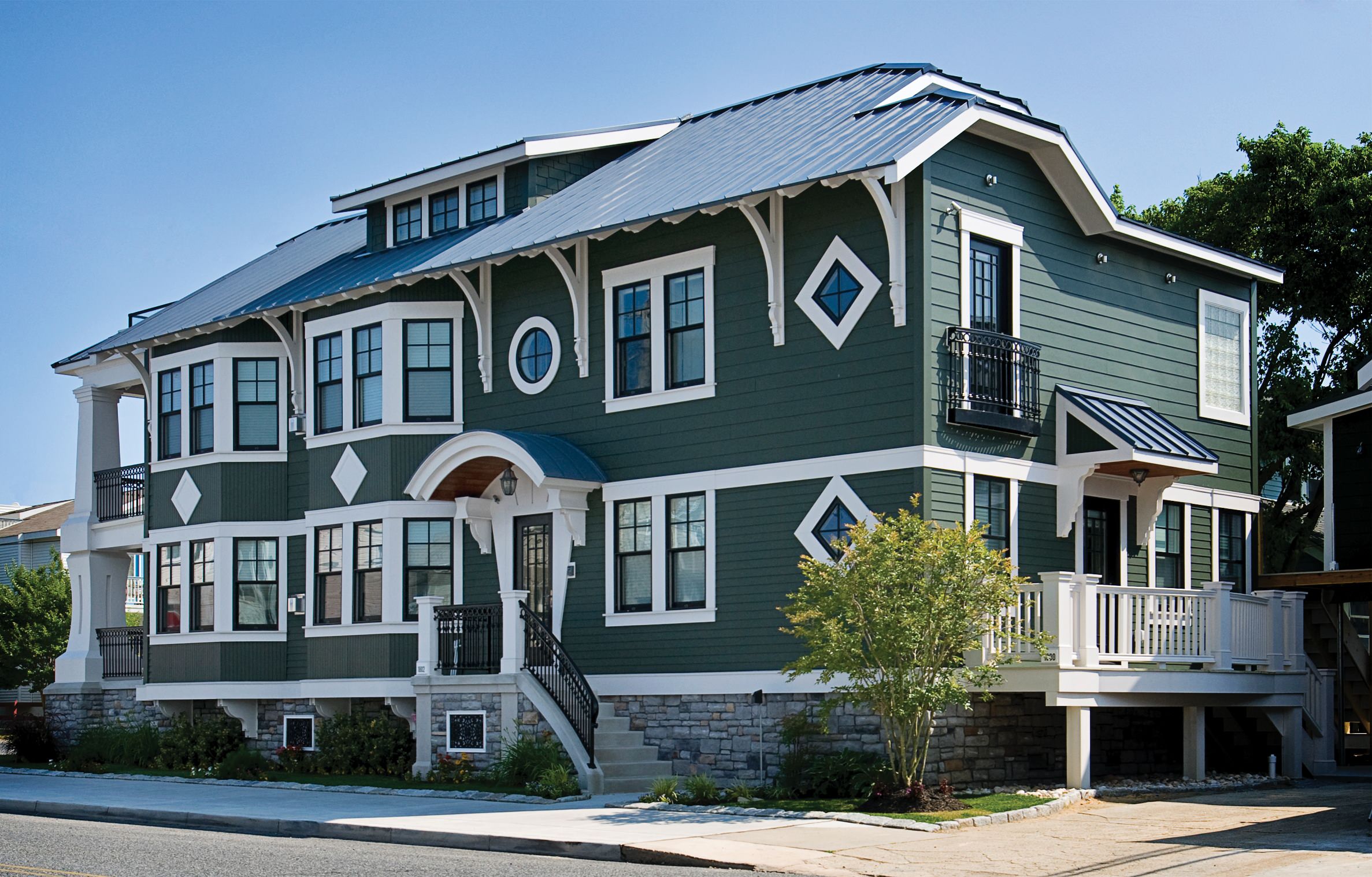
Most homeowners don’t think about zoning until they’re ready to build or renovate.
On paper, a project can seem straightforward. You have the space, the budget, and a clear vision.
Then zoning enters the picture.
Zoning regulations shape what you can build, where you can build it, and how your home can function. And in many cases, the biggest challenges are the ones people never see coming.
Here are some of the most common zoning issues homeowners run into, and how a design-build approach can help navigate them early.
1. Setback Restrictions That Limit Your Design
Setbacks define how far your home or addition must sit from property lines, streets, or neighboring structures.
The surprise? They often shrink your usable space more than expected.
A planned addition may need to be scaled back. A garage might not fit where you assumed. Even small features like porches or decks can be affected.
Setbacks are one of the first things a design-build team reviews because they directly impact layout and
feasibility.
2. Height Limits That Affect Interior Plans
You may have plans for vaulted ceilings or a second story. But local height restrictions can quietly limit those ideas.
This becomes especially tricky when:
•The lot is sloped
•The home sits higher than the street
•Roof design adds extra height
What looks like a simple vertical expansion can quickly require redesign or zoning relief.
3. Lot Coverage and Impervious Surface Limits
Many municipalities limit how much of your lot can be covered by structures or hard surfaces.
This includes:
•The house footprint
•Garages and additions
•Driveways and patios
Homeowners are often surprised to learn that adding a larger kitchen or outdoor living area could push them over the allowable limit.
4. Nonconforming (Grandfathered) Structures
If your home was built before current zoning rules, it may be considered “nonconforming.”
That can be helpful until you try to change it.
Common issues include:
•Restrictions on expanding certain areas
•Limits on rebuilding after damage
•Complications when adding height or square footage
Even though the house already exists, you may not have full freedom to modify it.
5. Easements You Didn’t Know About
Easements give utility companies or municipalities rights to portions of your property.
They’re not always obvious, but they can prevent you from building in certain areas.
For example:
•A utility easement might block part of your backyard
•A drainage easement could limit grading or additions
These constraints often show up late if they’re not reviewed early in the process.
6. Historic or Overlay District Rules
If your home is in a historic district or special zoning overlay, design changes may need approval beyond standard permits.
That can affect:
•Exterior materials
•Window styles
•Rooflines and additions
Even modern updates may need to align with neighborhood character, which can add time and complexity to the project.
7. Parking and Driveway Requirements
It’s easy to overlook, but zoning often dictates how many parking spaces a home must have and how they’re configured.
This becomes an issue when:
•Converting garages to living space
•Adding accessory dwelling units (ADUs)
•Reconfiguring driveways
Losing or relocating parking can trigger unexpected compliance issues.
8. Accessory Structure Restrictions
Detached garages, sheds, and backyard studios are popular, but zoning rules can be strict.
Homeowners may run into limits on:
•Size and height
•Placement on the lot
•Use (especially for living space)
What seems like a simple backyard addition can require careful planning or special approvals.
9. Permit Triggers You Didn’t Expect
Some projects cross a threshold that requires more than a basic permit.
For example:
•Increasing square footage beyond a certain percentage
•Changing the home’s use
•Expanding into restricted areas
This can lead to zoning hearings, variances, or additional reviews, which add time to the timeline.
10. The Need for Variances
When a project doesn’t meet zoning requirements, a variance may be required.
This is where many homeowners are caught off guard.
Variances involve:
•Formal applications
•Public hearings
•Approval from a zoning board
There’s no guarantee of approval, and the process can take months.
Why This Matters for Your Project...
Zoning issues don’t just affect permits. They shape the entire design.
A plan that works on paper can fall apart once zoning constraints are applied.
That’s why addressing these factors early is critical.
A design-build approach helps by:
•Reviewing zoning before design begins
•Identifying risks early
•Creating solutions that align with local regulations
Instead of reacting to problems, you’re planning around them from the start.
Final Thoughts…
Zoning isn’t the most exciting part of a home project, but it’s one of the most important.
The good news is that most issues can be managed with the right approach and the right team.
If you’re planning a renovation or new build, take the time to understand what’s allowed on your property before you fall in love with a design.
It can save you time, money, and a lot of frustration down the line.